Chemistry
As a chemistry student in the CBU School of Sciences, you will develop a wide range of laboratory skills that are needed in today’s biomedical laboratories, whether in industry or academia. When you study chemistry at Christian Brothers University, you’ll receive strong preparation for both the workplace and professional schools, including medical and pharmacy schools as well as other health-related fields.
A few things set CBU’s chemistry degree apart from other chemistry programs:
Peer Tutoring Built Into the Program – Tutoring by fellow students is part of the CBU chemistry experience, giving students an additional layer of support through some of the most demanding coursework in the sciences.
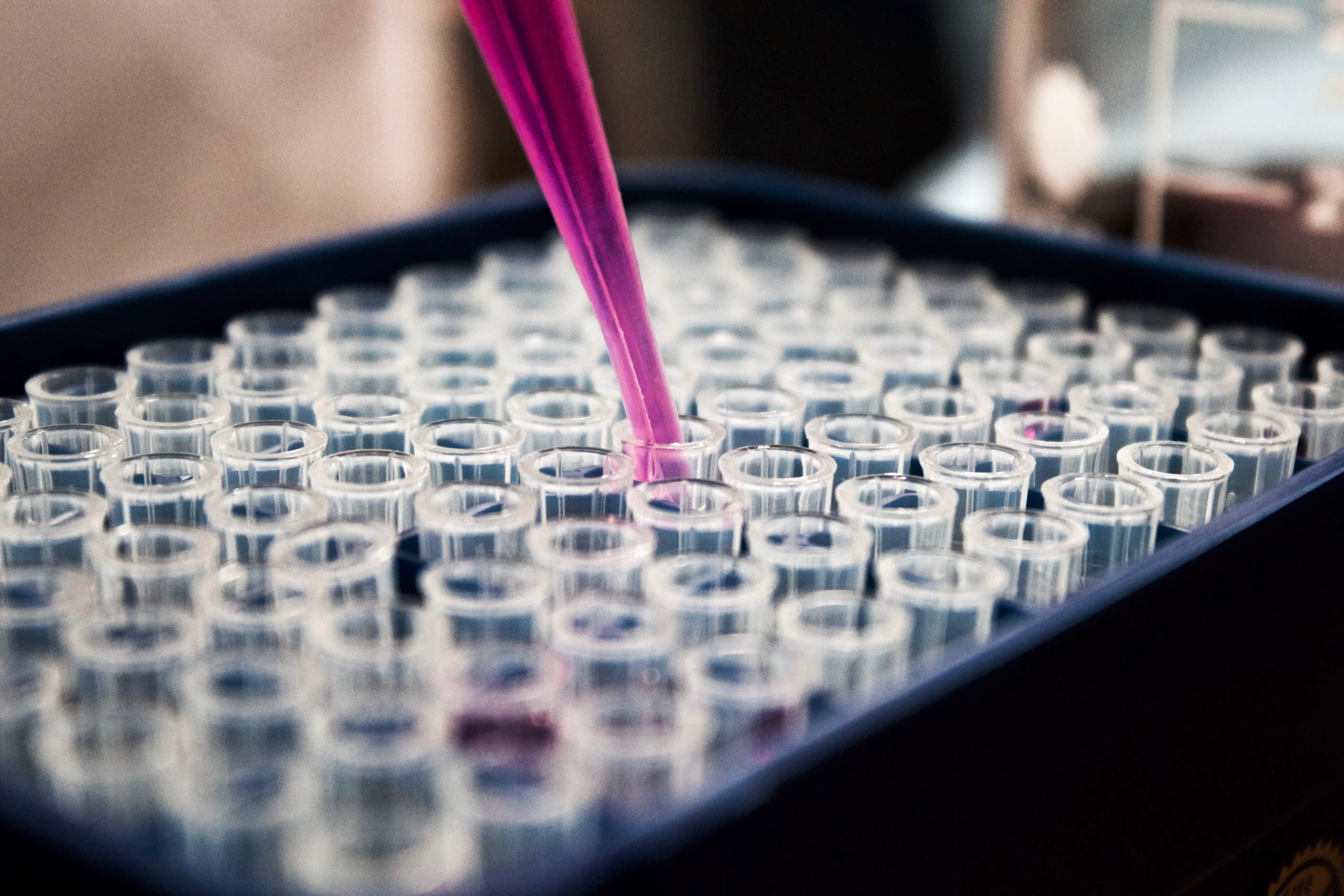
State-of-the-Art Labs, Not Just Lecture Halls – CBU’s chemistry major classes are built around hands-on lab work, so students graduate with real laboratory experience employers and graduate programs actually look for, not just textbook knowledge.
A Multidisciplinary Scientific Foundation – The degree in chemistry combines biology, chemistry, calculus, statistics, and physics coursework, preparing graduates for critical thinking and problem-solving across a genuinely multidisciplinary scientific setting.
Why Choose CBU for Your Chemistry Bachelor’s?
A bachelor of chemistry from CBU is designed to prepare you for what comes next, whether that’s medical school, pharmacy school, graduate research, or straight into the biomedical workforce. As a chemistry major, you’ll work in state-of-the-art labs, develop critical thinking and program-solving skills in a multidisciplinary scientific setting, and have access to tutoring from fellow students as you move through the program’s most rigorous coursework.
SKills You’ll Develop
Earning a B.S. in Chemistry at CBU means building more than subject-matter knowledge. Throughout the program, students develop:
- Laboratory Technique – Hands-on experience with the instruments, methods, and safety practices used in professional chemistry labs across industry, government, and academic research.
- Analytical and Quantitative Reasoning – The ability to collect, analyze, and interpret experimental data, supported by the program’s coursework in calculus, statistics, and physics.
- Critical Thinking and Problem-Solving – The ability to break down complex chemical problems and approach them methodically, a skill built into the program’s multidisciplinary coursework.
- Scientific Communication and Collaboration – Experience explaining results clearly and working through demanding material alongside peers, reinforced by the program’s built-in student tutoring model.
- Readiness for Professional and Graduate School – Coursework aligned with what medical, pharmacy, and graduate science programs expect from incoming students.
Chemistry Major Classes and Prerequisites
The chemistry major requires 122 credit hours. Alongside CBU general education and liberal arts courses, School of Sciences Support Requirements, chemistry prerequisites, and major coursework include:
- Biology
- Chemistry
- Calculus
- Statistics
- Physics
Careers for Chemistry Graduates
A degree in chemistry opens doors across industry, research, healthcare, and education. Jobs involving chemistry that CBU graduates are prepared to pursue include:
- Analytical or Quality Control Chemist – Testing materials and products to ensure they meet safety and quality standards in pharmaceutical, manufacturing, and food and beverage settings.
- Laboratory Technician or Research Scientist – Running experiments and developing new products or processes in pharmaceutical, biotechnology, government, or academic labs.
- Environmental Chemist – Monitoring air, water, and soil quality and helping organizations meet environmental regulations.
- Forensic Scientist – Analyzing evidence in crime labs to support criminal investigations.
- Materials or Industrial Chemist – Developing and improving the chemicals, plastics, coatings, and other materials used in manufacturing.
- Secondary School Science Teacher – Teaching chemistry and physical science at the middle or high school level, with additional teacher licensure.
Chemistry is also one of the most common and well-regarded paths into professional and graduate school. Many CBU graduates go on to:
- Medical School – Chemistry coursework overlaps directly with medical school prerequisites.
- Pharmacy School – The program’s chemistry-focused curriculum builds strong preparation for pharmacy admission.
- Graduate Study in Chemistry or Related Sciences – A direct path into master’s or doctoral programs for students interested in advanced research careers.
Whether you’re asking what you can do with a chemistry degree or exploring specific chemistry careers in labs, industry, or healthcare, this program is built to prepare you for both immediate entry into the workforce and further professional or graduate study.
Is a Chemistry Major for You?
If you have interests in any of the following areas, a major may be for you:
- Lab experimentation
- Problem solving
- Research
- Medicine
- Pharmacology
- Pharmacy
- Forensic science
- Teaching in secondary school
Meet the Faculty


Frequently Asked Questions – Chemistry at CBU
What classes are required for a chemistry major?
CBU’s chemistry major requires 122 credit hours, including general education and liberal arts coursework, School of Sciences support requirements, and major coursework in biology, chemistry, calculus, statistics, and physics.
What are the prerequisites for a chemistry degree?
Chemistry prerequisites at CBU include foundational coursework in biology, chemistry, calculus, statistics, and physics, alongside the university’s general education requirements.
What can you do with a chemistry degree?
Graduates are prepared for careers in biomedical laboratories, pharmaceutical and biotechnology research, and further study in medical school, pharmacy school, or graduate chemistry programs.
Is a BS in Chemistry good preparation for medical school?
Yes. CBU’s chemistry degree is designed to provide strong preparation for medical and pharmacy schools, along with other health-related professional programs.
What skills do you develop in a chemistry degree program?
Students develop laboratory technique, critical thinking, and problem-solving skills in a multidisciplinary scientific setting, supported by state-of-the-art labs and peer tutoring throughout the program.