Biomedical Science
This degree is a specialized biology degree tailored to provide the strongest foundation for graduate programs in medicine, dentistry, and veterinary medicine.
With a biomedical sciences undergraduate degree from CBU, you will be well-prepared for medical, dental, veterinary, or other health professional school. The BS in Biomedical Sciences is a specialized biology degree offered through the Department of Biology in CBU’s School of Sciences, built for students who plan to become health professionals.
A few things set CBU’s biomedical science major apart from other biomedical science programs you’ll find elsewhere:
- A Three-Course Research Sequence Built Into the Degree – Research I, II, and III are required coursework in the biomedical science major, so every student designs and carries out real scientific research, not just students who seek out a lab on their own.
- Mentored Research and Internships with Memphis Institutions – You’ll complete an internship or mentored research project with a CBU faculty member or an outside researcher. Past students have worked at St. Jude Children’s Research Hospital, the University of Tennessee Health Science Center, the University of Memphis, and the Memphis Zoo.
- Pre-Health Preparation with Direct Faculty Access – Small classes, state-of-the-art lab equipment, and a dedicated pre-health advisor in the Department of Biology help you build the coursework, research experience, and guidance health professional schools look for.
Why Choose CBU for Your Bachelor of Science in Biomedical Sciences?
A BS in Biomedical Science from CBU is designed to prepare you for what comes next, whether that’s medical school, dental school, veterinary school, or another health professional program. As a biomedical major, you’ll build a strong foundation in biology, chemistry, and physics, and take specialized coursework in genetics, immunology, microbiology, histology, and embryology. Along the way, you’ll gain hands-on lab and research experience, present your work, and graduate ready for the next step in your health care career.
Skills You’ll Develop in the Biomedical Science Major
You’ll build more than scientific knowledge. Throughout the biomedical science program, students develop:
- Laboratory Technique – Hands-on skill with state-of-the-art lab equipment, built through lab courses in biology, chemistry, organic chemistry, and physics.
- Research Design and Scientific Inquiry – The ability to form a question, design an experiment, and analyze results, developed across the required Research I, II, and III sequence.
- Scientific Communication – Experience presenting your findings to an audience, including at CBU poster sessions and a scientific meeting.
- Knowledge of Human and Animal Biology – A working understanding of how living systems function and fight disease, from genetics and immunology to microbiology, parasitology, histology, embryology, and comparative anatomy.
- Data Analysis and Critical Thinking – Statistics and research coursework that train you to read scientific data, evaluate evidence, and solve complex programs.
- Professional School Readiness – Coursework, research experience, and pre-health advising aligned with what medical, dental, and veterinary schools look for in applicants.
Medical Science Program Highlights
- State-of-the-art lab equipment
- Small classes with direct faculty access
- A required three-course research sequence
- Opportunity to present research at CBU poster sessions and a scientific meeting
- Internship and/or a mentored research project that pairs you with either a CBU faculty member or a researcher at a well-known institution. Past students have conducted significant research at St. Jude Children’s Research Hospital, the University of Tennessee Health Science Center, the University of Memphis, and the Memphis Zoo.
- 122 total credit hours
What You’ll Study
The major requires 122 credit hours:
- 31 credits: General Education. Math, English, religious studies, social science or history, natural or physical science, statistics
- 33 credits: School of Science Support Requirements: chemistry, organic chemistry, physics
- 49 credits: Major Requirements. General biology I and II, genetics, research I, II, and III; parasitology, immunology, microbiology, comparative anatomy, embryology, histology
- 9 credits: Free electives
Biomedical Science Careers in Memphis
A biomedical degree opens the door to a wide range of health care and science careers. Most biomedical science majors at CBU continue on to a health professional or graduate program, and the degree also prepares you for roles in research and the life sciences. Career paths include:
- Physician (MD or DO) – Medical school prepares you to diagnose and treat patients, and the biomedical science major’s coursework in genetics, immunology, microbiology, and histology builds the foundation for it.
- Dentist – Dental school leads to careers in general dentistry or specialties such as orthodontics and oral surgery.
- Veterinarian – Veterinary school prepares you to care for animals, with coursework in parasitology and comparative anatomy that applies directly to animal health.
- Optometrist – A Doctor of Optometry program trains you to examine, diagnose, and treat conditions of the eye.
- Physical Therapist – A Doctor of Physical Therapy program prepares you to help patients recover movement and manage pain after injury or illness.
- Nurse – An accelerated or graduate-entry nursing program builds on your science background to prepare you for patient care.
- Physician Assistant or Pharmacist – Graduate programs in PA studies or pharmacy draw on the same biology and chemistry prerequisites the biomedical science BS provides.
- Biomedical Researcher – Graduate study in fields such as immunology, microbiology, or genetics can lead to research careers at hospitals, universities, and research institutes.
- Laboratory and Life Sciences Roles – Your lab and research experience prepares you for positions in clinical or research laboratories, biotechnology, and pharmaceutical companies.
Memphis is home to major health care and research institutions, including St. Jude Children’s Research Hospital and the University of Tennessee Health Science Center. Because CBU biomedical sciences students complete internships and mentored research with researchers at institutions like these, you can build professional connections in the city’s health care community before you graduate.
Whether you’re planning for medical school or exploring what you can do with a biomedical science degree, this program is built to prepare you for professional school and for a range of science careers beyond it.
Is a Biomedical Science Major for You?
If you have an interest in any of the following areas, this major may be for you:
- Becoming a physician, dentist, veterinarian, or other health professional
- How the human body works and how it fights disease
- Hands-on labor work and scientific research
- Genetics, immunology, and microbiology
- Helping others through a career in health care
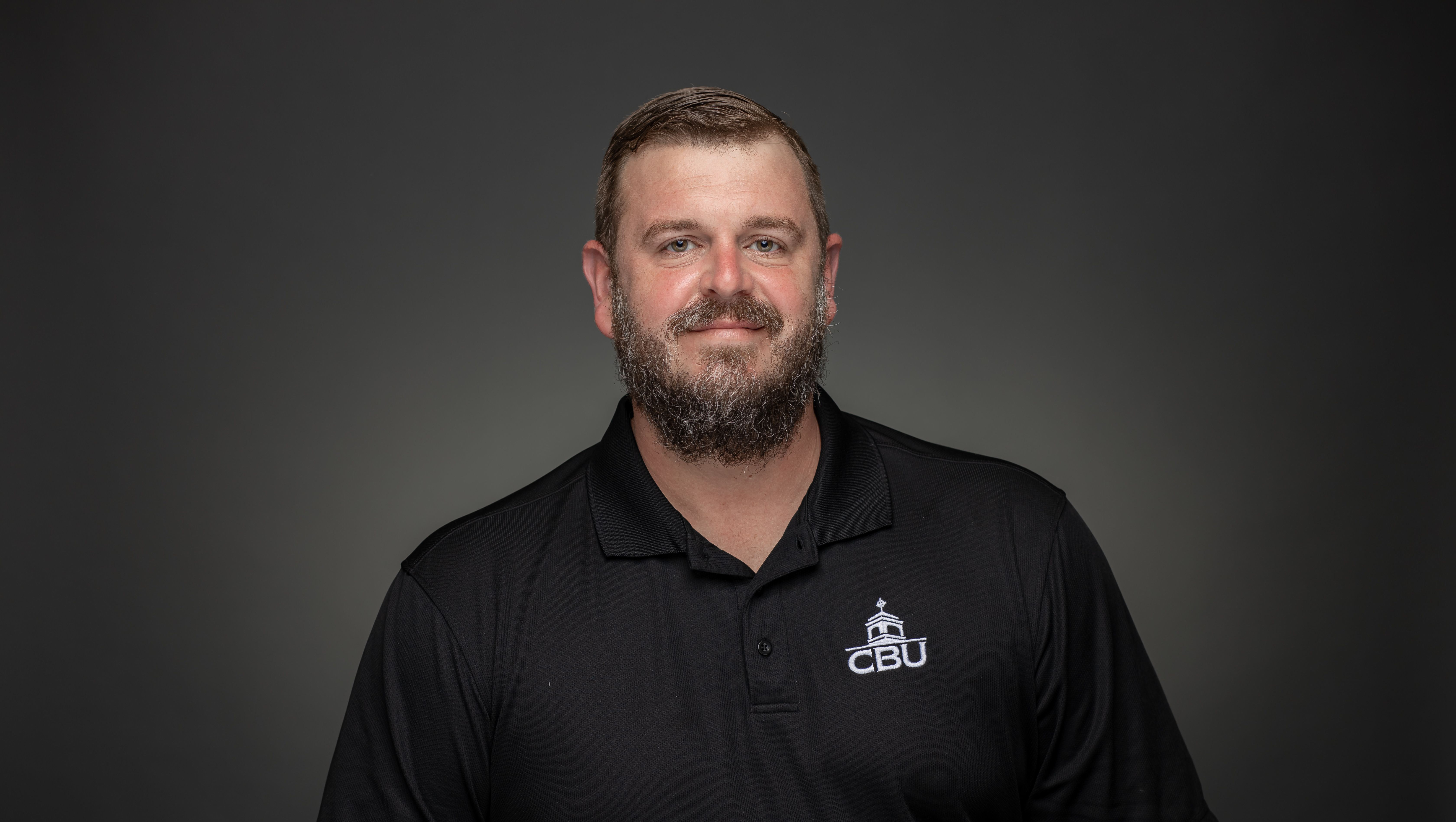
Meet the Faculty






Frequently Asked Questions – Biomedical Sciences at CBU
What is a biomedical science degree?
A biomedical science degree is a bachelor’s program focused on the biology of human and animal health, including genetics, immunology, microbiology, and anatomy. At CBU, the BS in Biomedical Sciences is a specialized biology degree designed to prepare students for medical, dental, veterinary, and other health professional schools.
What can you do with a biomedical science degree?
Graduates often go on to medical, dental, veterinary, optometry, physical therapy, nursing, physician assistant, or pharmacy programs. A biomedical science BS also prepares you for graduate study and careers in biomedical research, clinical and research laboratories, biotechnology, and the pharmaceutical industry.
Is biomedical science a good major for pre-med?
Yes. CBU’s biomedical science major includes the biology, chemistry, organic chemistry, physics, and statistics coursework medical schools expect, along with required research experience and support from a pre-health advisor.
What is the difference between biomedical science and biology?
Biology covers the full range of living systems, while biomedical science focuses on biology as it relates to human and animal health. At CBU, the biomedical sciences major adds specialized courses such as immunology, parasitology, histology, and embryology, plus a three-course research sequence.
Do biomedical science majors at CBU do research?
Yes. Every student completes Research I, II, and III, plus an internship or mentored research project with a CBU faculty member or an outside researcher. Past placements include St. Jude Children’s Research Hospital, the University of Tennessee Health Science Center, the University of Memphis, and the Memphis Zoo.
How long does it take to earn a BS in biomedical science at CBU?
The biomedical sciences program is a 122-credit-hour bachelor’s degree, designed to be completed in four years.
Does CBU offer biomedical sciences as a bachelor’s degree?
Yes. CBU’s Biomedical Sciences program is a Bachelor of Science degree offered through the Department of Biology in the School of Sciences.